How to Start Affiliate Marketing: Earn Your Next $1,000 Online
How to Start Affiliate Marketing: Earn Your Next $1,000 Online
If you’ve ever wondered how some people earn income online without creating their own products, affiliate marketing is the answer. It’s one of the most beginner-friendly business models out there — low-cost, flexible, and scalable. Best of all, you don’t need to be an “expert” or have a huge audience to get started.
In this guide, I’ll walk you step by step through how to start affiliate marketing, from choosing the right niche to promoting products effectively. By the end, you’ll have a clear roadmap to earn your first $1,000 online and the confidence to keep scaling from there.
What Is Affiliate Marketing (and Why It Works)?
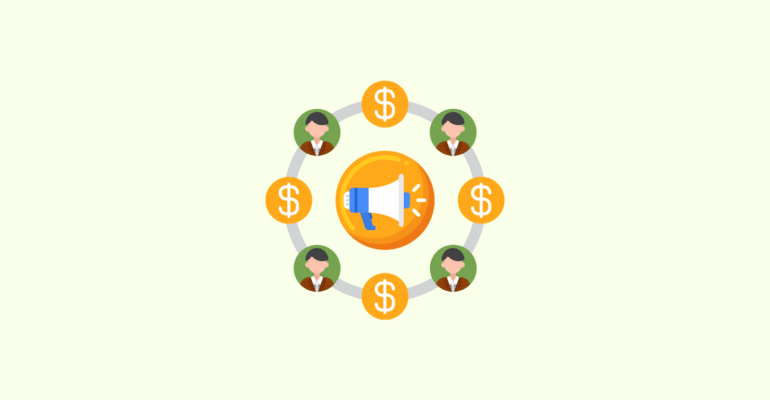
At its core, affiliate marketing is simple:
-
You recommend a product or service to others.
-
If they buy through your unique affiliate link, you earn a commission.
Think of it as digital word-of-mouth marketing. If you’ve ever recommended a movie, a book, or a tool you love, you’re already halfway there. The only difference is that with affiliate marketing, you get paid for those recommendations.
For example:
-
Amazon pays commissions when people buy products through your links.
-
Software companies often pay recurring commissions for referrals.
-
Online course creators pay affiliates to help reach more students.
Affiliate marketing works because it creates a win-win-win situation:
-
The company gets new customers.
-
The customer discovers a product that solves their problem.
-
You earn a commission for connecting the two.
Why Affiliate Marketing Is Perfect for Beginners
Affiliate marketing has become a go-to income stream for new entrepreneurs because:
-
Low barrier to entry – You don’t need to invest thousands in inventory or product creation.
-
Work from anywhere – All you need is a laptop and internet connection.
-
No customer support headaches – The company handles delivery, refunds, and customer service.
-
Scalable – You can start small, then expand as your audience and skills grow.
-
Diverse niches – Whether you love fitness, fashion, tech, or personal finance, there’s an affiliate program for you.
In short, affiliate marketing lets you focus on value creation (content, trust, recommendations) without the heavy lifting of traditional business models.
Step 1: Choose the Right Niche
Your niche is the foundation of your affiliate business. It’s the specific market you’ll serve and the problems you’ll help solve.
Here’s how to pick a niche that works:
-
Follow your interest
If you choose something you hate, you’ll burn out. Pick a topic you’re genuinely curious about or enjoy learning. -
Check profitability
A niche must have products that people already buy online. For example, “organic skincare” or “online fitness programs” work better than “left-handed guitar picks.” -
Measure demand
Use tools like Google Trends or keyword research to see if people actively search for solutions in that space. -
Validate competition
If others are making money in the niche, that’s a good sign. Competition means buyers exist — you just need to differentiate yourself.
Pro Tip: Combine passion + demand + profitability. For instance, if you love productivity and people spend money on productivity tools, you’ve got a strong niche.
Step 2: Find Affiliate Programs to Join
Once you’ve picked your niche, it’s time to find affiliate programs that pay commissions.
Here are common places to start:
-
Affiliate Networks – Platforms like ShareASale, CJ Affiliate, or Impact connect you with thousands of companies.
-
Amazon Associates – The world’s largest affiliate program (but with lower commissions).
-
Software/Tools – Many SaaS companies (like ConvertKit, SEMrush, or Linkscop) offer generous recurring commissions.
-
Course Creators – Online education platforms often pay high-ticket commissions.
When evaluating a program, look at:
-
Commission rate (10–50% is common in digital products)
-
Recurring vs one-time payments (recurring = long-term income)
-
Cookie duration (longer = better chance of getting credit for sales)
-
Product quality (never promote something you wouldn’t use yourself)
Step 3: Build a Platform
Affiliate marketing isn’t just about dropping links everywhere — it’s about building trust. To do that, you need a platform where people can engage with your recommendations.
Popular options include:
-
Blog – SEO-driven content that ranks on Google.
-
YouTube channel – Tutorials, product reviews, and comparisons.
-
Email list – Direct connection with your audience.
-
Social media – Instagram, TikTok, Twitter/X for short-form influence.
Pro Tip: Start with one platform and master it before spreading yourself thin. For beginners, a simple blog + email list combo is powerful and cost-effective.
Step 4: Create Valuable Content
Content is the engine of affiliate marketing. The more value you create, the more trust you build — and the more people click your links.
Types of affiliate content:
-
Product reviews – Honest pros and cons of a product.
-
Comparison posts – “Product A vs Product B: Which is Better?”
-
Tutorials/How-to guides – Show how a product solves a problem.
-
Listicles – “Top 10 Tools for Small Business Owners”
-
Case studies – Share your personal results or story with a product.
Key tip: Always lead with value, not sales. If readers feel like you’re genuinely helping them, they’ll naturally trust your recommendations.
Step 5: Drive Traffic to Your Content
No traffic = no clicks = no commissions. Here’s how to get eyeballs on your affiliate content:
-
SEO (Search Engine Optimization)
Write content optimized for keywords like “best email marketing tool” so people find you on Google. -
Social Media
Repurpose content into Instagram reels, TikTok clips, or Twitter threads. -
Email Marketing
Build an email list and send subscribers valuable tips (with affiliate links embedded). -
Paid Ads (Advanced)
Once you’re profitable, reinvest into ads for faster growth.
Step 6: Track, Optimize, and Scale
Once you start getting clicks and commissions, it’s time to optimize:
-
Track clicks with tools like Pretty Links or Linkscop.
-
Double down on content that performs well.
-
Test CTAs (e.g., “Check it out here” vs. “Grab your free trial now”).
-
Expand your reach by adding new products or scaling into new platforms.
Remember: affiliate marketing is not overnight riches. It’s about consistent effort, learning what works, and optimizing over time.
Common Mistakes Beginners Make (and How to Avoid Them)
-
Promoting everything under the sun → Stick to products you genuinely believe in.
-
Ignoring email lists → Build one from day one; email converts better than social.
-
Expecting quick money → It takes time to build trust and an audience.
-
Copy-pasting links everywhere → Focus on valuable content, not spammy tactics.
Case Study: How Beginners Hit Their First $1,000
-
Sarah the Coach – Started a blog about productivity tools, reviewed three apps she used daily, and made her first $1,000 in commissions within 3 months.
-
John the Fitness Enthusiast – Created a YouTube channel reviewing home workout gear and hit $1,000 in affiliate sales after his video ranked on YouTube search.
-
Maya the Student – Shared her favorite online learning platforms on TikTok and built an email list, earning $1,000 in recurring commissions within 4 months.
Action Plan: Your First 90 Days
Month 1:
-
Pick your niche
-
Sign up for 2–3 affiliate programs
-
Set up your platform (blog, YouTube, or email list)
Month 2:
-
Publish at least 4–6 pieces of valuable content
-
Start promoting content on social media
-
Begin building your email list
Month 3:
-
Optimize your best-performing content
-
Focus on SEO and consistent traffic growth
-
Aim to get your first affiliate sale
By the end of 90 days, you’ll have a foundation strong enough to scale toward your first $1,000 and beyond.
Final Thoughts
Affiliate marketing is one of the simplest ways to start earning online — no product creation, no shipping, no customer support. But it’s not about shortcuts. The affiliates who succeed are those who focus on solving problems, building trust, and creating value.
If you’re ready to take action, pick your niche, join a program, and publish your first piece of content this week. The faster you start, the faster you’ll see results.